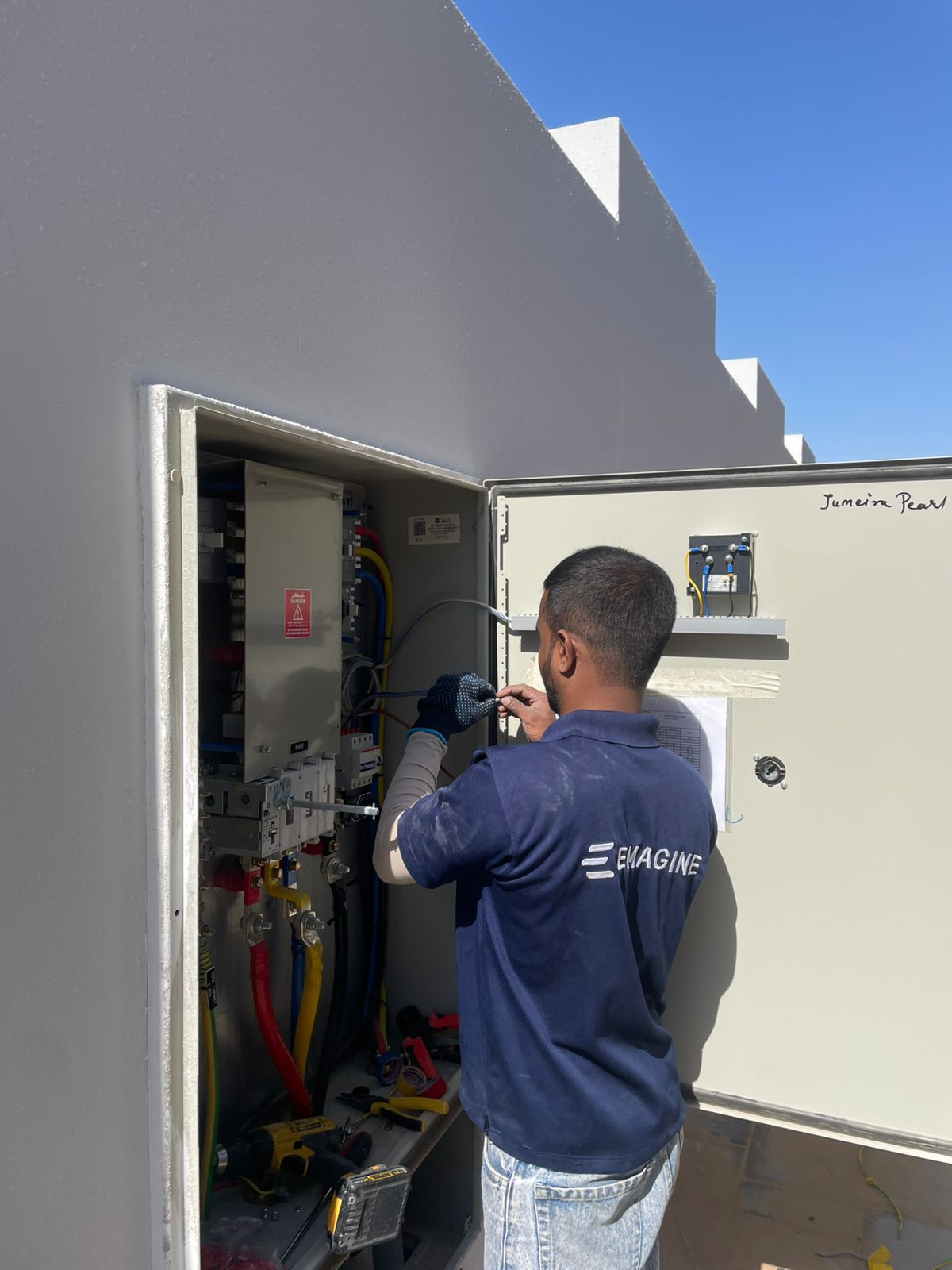
As electric vehicles become increasingly common across the UAE, more homeowners, businesses, residential developments and commercial properties are looking to install their own charging infrastructure. However, installing an EV charger involves more than choosing a charger and connecting it to a power supply. Understanding EV charger installation requirements in the UAE, local regulations and approval processes is essential for creating a safe, compliant and reliable charging setup. Here is what you need to know before getting started.
As electric vehicles become increasingly common across the UAE, more homeowners, businesses, residential developments and commercial properties are looking to install their own charging infrastructure.
However, installing an EV charger involves more than choosing a charger and connecting it to a power supply. Understanding EV charger installation requirements in the UAE, local regulations and approval processes is essential for creating a safe, compliant and reliable charging setup.
Here is what you need to know before getting started.
Understanding EV Charging Regulations in the UAE
EV charging requirements can vary depending on the emirate, property type and whether the charger will be used privately or offered to the public.
In Dubai, EV charging infrastructure is regulated by the Dubai Electricity and Water Authority (DEWA). Regulations cover areas including electrical safety, equipment specifications, installation, testing and commissioning.
For public charging infrastructure, additional requirements apply. Charge Point Operators (CPOs) operating public charging equipment in Dubai must be licensed by DEWA and comply with its regulatory framework.
This makes it important to understand the intended use of the charging station from the beginning, whether it is for a private residence, workplace, hotel, residential community, retail destination or public charging network.
What Are the Main EV Charger Installation Requirements?
Before installation, several technical and site-specific factors need to be assessed.
1. Electrical capacity
The property's existing electrical infrastructure needs to support the charger's power requirements. A site assessment can determine available capacity and whether electrical upgrades are necessary.
2. Charger selection
The right charger depends on the vehicle, expected usage, available electrical capacity and required charging speed. Residential users may have very different requirements from hotels, commercial fleets or high-traffic destinations.
3. Safe electrical installation
EV charging equipment should be installed according to applicable electrical and safety standards. In Dubai, DEWA's technical regulations reference requirements for electrical systems, civil works, charger installation, testing and commissioning.
4. Site planning
Cable routing, parking layout, accessibility, protection of charging equipment and the site's existing architecture all need to be considered during planning.
A professional site assessment before installation helps identify these requirements early and ensures the proposed solution is appropriate for the location.
DEWA EV Charger Approval and Requirements in Dubai
For installations in Dubai, understanding DEWA EV charger approval requirements is particularly important.
DEWA states that home chargers can be installed by third parties behind the customer's meter, similar to other home electrical appliances. DEWA-approved electrical contractors should be used when installing electrical equipment, including EV charging stations.
Requirements become more extensive when developing public charging infrastructure. Dubai's regulatory framework requires independent operators of public charging equipment to obtain the appropriate CPO licence from DEWA.
The technical process can also involve electrical designs, relevant No-Objection Certificates, electricity connection procedures, inspections and commissioning depending on the project's scope.
You can learn more about Emagine's DEWA and CPO licensing support for EV charging infrastructure in Dubai.
Residential vs Commercial EV Charger Installation
For homeowners, the process typically begins by checking the property's electrical capacity, parking location and suitable charger specifications. Emagine provides residential EV charging solutions across the UAE, including site assessment, charger selection and professional installation.
Commercial projects often require more detailed planning.
Hotels, workplaces, residential developments, retail destinations and fleet facilities may need multiple chargers, higher charging capacities, load management and infrastructure designed to accommodate future expansion.
Planning for scalability from the beginning can help avoid unnecessary infrastructure changes as charging demand increases.
Why Professional Installation Matters
An EV charger becomes part of a property's electrical infrastructure, so installation quality directly affects its safety, reliability and long-term performance.
Working with an experienced EV infrastructure partner also helps simplify the process from initial assessment and engineering through installation, commissioning and ongoing maintenance.
Emagine provides end-to-end EV charging solutions across the UAE, combining design and engineering, deployment, installation and lifecycle support.
With more than 10 years of experience in the region and over 10,000 home installations, Emagine supports customers in developing charging infrastructure that meets their operational needs while aligning with applicable requirements.
Ready to Install an EV Charger?
Whether you need an EV charger for your home, business, development or commercial destination, the right installation starts with understanding your site and its requirements.
Emagine can support the complete journey, from site assessment and charger selection to installation, commissioning and regulatory compliance.
Contact Emagine to discuss the right EV charging solution for your property.