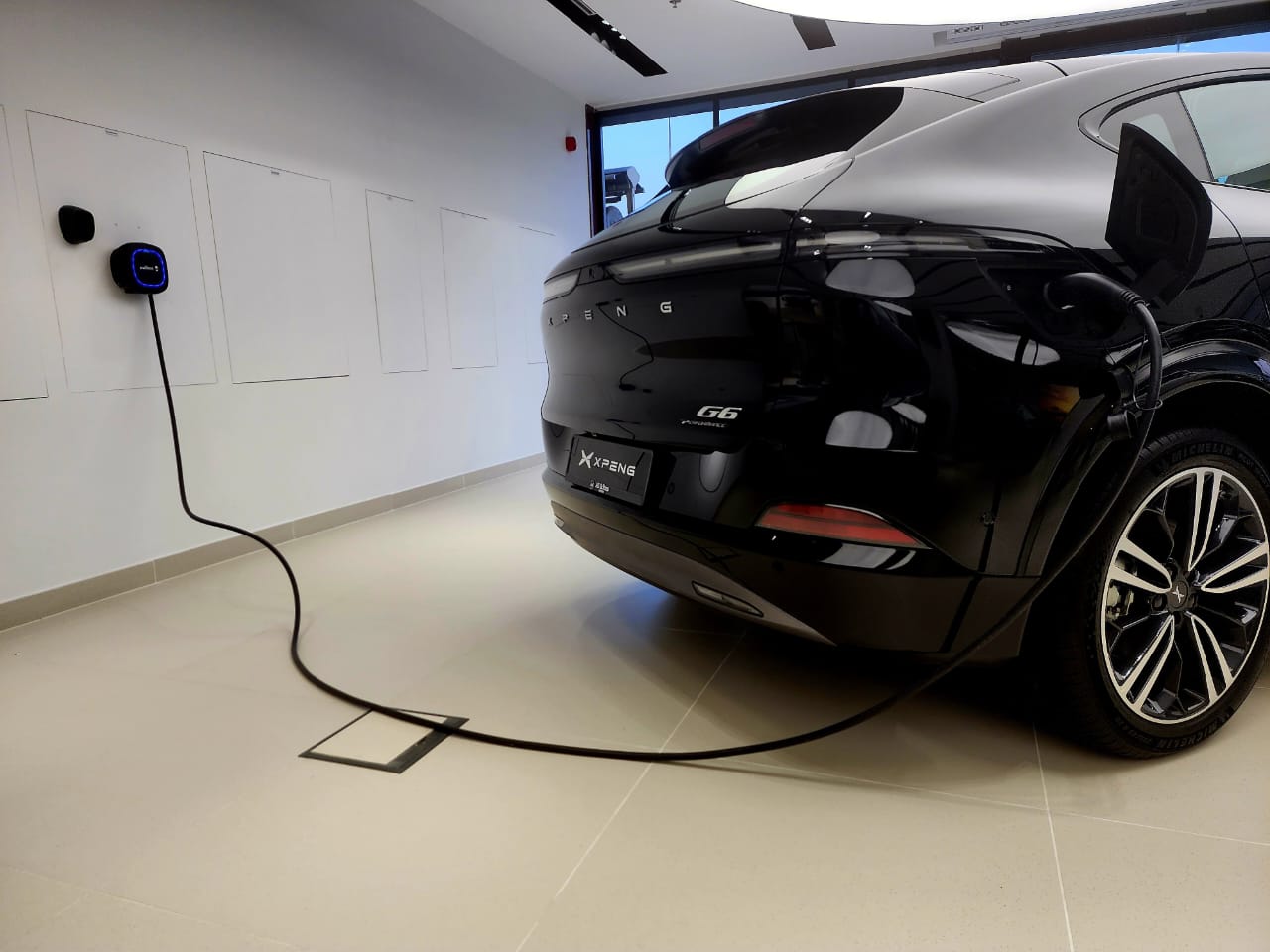
Installing an electric vehicle (EV) charger at home makes everyday charging more convenient. Instead of relying on public charging stations, you can plug in your vehicle when you return home and start the next day with the charge you need. However, choosing the right charger is only part of the process. Finding the best location to install an EV charger is equally important for safety, accessibility, charging efficiency, and installation costs. Whether you live in a villa in Dubai or an apartment elsewhere in the UAE, several factors should be considered before installation. This guide explains where to position your home EV charger, what to avoid, and how professional installation can help you get the most out of your charging setup.
Best Location to Install an EV Charger in Your Villa or Apartment
Installing an electric vehicle (EV) charger at home makes everyday charging more convenient. Instead of relying on public charging stations, you can plug in your vehicle when you return home and start the next day with the charge you need.
However, choosing the right charger is only part of the process. Finding the best location to install an EV charger is equally important for safety, accessibility, charging efficiency, and installation costs.
Whether you live in a villa in Dubai or an apartment elsewhere in the UAE, several factors should be considered before installation.
This guide explains where to position your home EV charger, what to avoid, and how professional installation can help you get the most out of your charging setup.
Why Does EV Charger Location Matter?
The placement of your EV charger affects more than how easily you can plug in your vehicle.
A well-planned location can help:
● Keep charging cables organized and accessible.
● Reduce unnecessary electrical cabling and installation work.
● Protect charging equipment from accidental damage.
● Support safe operation in the UAE's climate.
● Make charging convenient for everyday use.
● Allow easier access for inspection and maintenance.
The right location depends on your property's electrical infrastructure, parking arrangement, and the charging equipment you choose.
Best Location to Install an EV Charger in a Villa
Villas generally offer more flexibility for installing residential EV chargers because homeowners often have access to private parking areas and dedicated electrical infrastructure.
However, even with additional space, charger placement should be carefully planned.
1. Inside a Covered Garage
A covered garage is often one of the most practical locations for a home EV charger.
It provides protection from direct sunlight and weather exposure while keeping the charger close to your regular parking space.
Wall-mounted chargers can be installed at a convenient height, with the charging cable positioned to reach your vehicle's charging port comfortably.
When choosing the installation point, consider:
● The position of your vehicle's charging port.
● The charger's cable length.
● Available wall space.
● Access to the electrical distribution board.
● Clearance around the charger for ventilation and maintenance.
The charger should also be positioned where it will not obstruct movement or be exposed to accidental impact.
2. On an Exterior Wall Near Your Parking Space
For villas without enclosed garages, an exterior wall beside a private parking area can be another suitable option.
Outdoor EV chargers must be designed for the environmental conditions in which they operate.
In the UAE, high temperatures, dust, and occasional rain make equipment selection and placement particularly important.
Choosing a shaded location can help limit prolonged exposure to direct sunlight, although shading does not replace the need for equipment rated for outdoor operation.
A qualified installer should verify that the charger, electrical connections, and protective equipment are suitable for the installation environment.
3. Near the Electrical Distribution Board
The distance between your charger and the electrical supply can influence installation complexity and cost.
When practical, positioning the charger relatively close to an appropriate electrical distribution board may reduce the amount of cable routing and associated installation work.
However, the closest location is not automatically the safest or most suitable.
An installer must evaluate the available electrical capacity, cable routing, protective devices, and connection requirements before deciding on the final position.
For homeowners planning an EV charger installation in a Dubai villa, a professional site assessment is an important step in determining the right setup.
Explore Emagine's residential EV charging solutions for home charger options and installation support.
Best Location to Install an EV Charger in an Apartment
Unlike villas, apartment buildings typically have shared electrical infrastructure, designated parking spaces, and building management requirements.
This means EV charger apartment installation in the UAE may involve additional planning and approvals.
1. Your Designated Parking Space
If your apartment includes a private or allocated parking space, this is usually the first location to assess.
A charger may be installed on a suitable wall or approved mounting structure near the parking bay, depending on the building's layout and technical requirements.
The installation must not obstruct neighboring parking spaces, pedestrian pathways, emergency access routes, or shared building services.
2. Close to an Approved Electrical Connection
Apartment charging installations can be more complex when the designated parking space is far from an available electrical supply.
Depending on the building, installing a dedicated charging circuit may involve routing cables through shared areas or connecting to an approved metering arrangement.
The feasibility of these options depends on the building's electrical design, available capacity, and management policies.
3. In a Building-Approved Charging Area
Some residential buildings may designate specific parking spaces or areas for EV charging.
Where such arrangements exist, residents should follow the building's approved procedures and charging rules.
Before proceeding with an apartment charger installation, discuss the proposal with building management or the owners' association.
Written permission and relevant technical approvals may be required, particularly when installations affect common property or shared electrical systems.
Key Factors to Consider Before Installing Your EV Charger
Regardless of whether you live in a villa or an apartment, several factors should guide your installation decision.
Electrical Capacity
Not every property has sufficient spare electrical capacity for the same charging power.
A qualified professional should assess the existing electrical installation and determine whether any modifications or load management arrangements are necessary.
Home chargers are available in different power ratings, but actual charging performance depends on the electrical supply and your vehicle's onboard charging capabilities.
Cable Length and Accessibility
The charging cable should comfortably reach your vehicle without being stretched across walkways or areas where it could be damaged.
Consider how you normally park and whether the charger will remain accessible if you change vehicles.
Protection from Heat and Weather
Outdoor chargers must be suitable for UAE environmental conditions.
Dubai's EV charging technical regulations address equipment performance under demanding ambient conditions, including high temperatures and humidity.
Where possible, choose a shaded, accessible location and follow the manufacturer's installation requirements.
Safety and Maintenance Access
Your charger should be positioned away from areas exposed to vehicle impact, flooding risks, or other potential hazards.
Adequate clearance should also be maintained for ventilation, inspection, and maintenance.
The final location must comply with applicable electrical safety requirements and manufacturer specifications.
Do You Need Approval to Install an EV Charger in Dubai?
Dubai Electricity and Water Authority (DEWA) provides guidance for residential EV charger installations.
According to DEWA, home chargers can be installed by third-party providers at customers' premises, behind the customer's electricity meter, similarly to other household electrical appliances.
DEWA also states that electrical installations in Dubai, including home EV charging stations, should be carried out by DEWA-approved electrical contractors.
Applicable electrical approvals and installation requirements must be reviewed for each project. Apartment installations may also require approval from building management or the relevant property authority.
Requirements outside Dubai may vary depending on the emirate and relevant electricity authority.
For more information, refer to DEWA's official EV charging guidance.
Common EV Charger Installation Mistakes to Avoid
Choosing a charger location without professional guidance can lead to unnecessary costs or safety concerns.
Common mistakes include:
● Installing a charger without assessing electrical capacity.
● Positioning equipment where charging cables obstruct movement.
● Using indoor-only equipment in outdoor environments.
● Ignoring the vehicle's charging port location.
● Installing equipment without required property approvals.
● Choosing a location that makes maintenance difficult.
● Prioritizing the shortest cable route over safety and accessibility.
Planning ahead helps avoid these problems and supports a more reliable charging experience.
How Emagine Helps You Find the Right Installation Location
Every home has a different layout, electrical system, and charging requirement.
At Emagine, we provide residential EV charging solutions designed around the needs of your property and vehicle.
Our experienced installation team assesses your parking arrangement, electrical infrastructure, and charging requirements to identify a practical and safe installation approach.
From selecting suitable charging equipment to installation and commissioning, Emagine helps simplify the process of setting up a home charging station.
We also provide ongoing support and maintenance services to help keep EV charging infrastructure operating reliably.
Whether you're planning a charger for your villa or exploring installation options for an apartment, our team can guide you through the available solutions and technical considerations.
Conclusion
The best location to install an EV charger depends on your home's layout, parking arrangement, electrical infrastructure, and applicable installation requirements.
For villas, a covered garage or suitable exterior wall near the parking area may offer the most convenient arrangement.
For apartments, designated parking spaces and building-approved charging areas are typically the starting points, subject to electrical feasibility and property permissions.
Most importantly, choosing the right location requires more than finding an empty wall. A professional assessment helps determine a safe, accessible, and practical charging setup.
Ready to install an EV charger at home?
Contact Emagine to arrange a home assessment and find the right charging solution for your villa or apartment in the UAE.
Frequently Asked Questions
Where is the best place to install an EV charger at home?
A covered garage or suitable wall near a dedicated parking space is often a practical choice. The final location should provide convenient cable access, suitable environmental protection, and an approved electrical connection.
Can I install an EV charger outside my villa in Dubai?
Yes, outdoor installations are possible when the charging equipment is suitable for local weather conditions and the installation meets applicable electrical and safety requirements.
Can I install an EV charger in my apartment parking space in the UAE?
It may be possible, depending on the building's electrical infrastructure, parking arrangements, management permissions, and applicable authority requirements.
Does an EV charger need to be close to the electrical panel?
Not necessarily. A shorter cable route can reduce installation complexity, but the final location must also consider electrical capacity, accessibility, safety, and charging convenience.
Do I need a professional to install an EV charger in Dubai?
Yes. DEWA advises using DEWA-approved electrical contractors for electrical installations, including residential EV charging stations.